Researcher Profiles
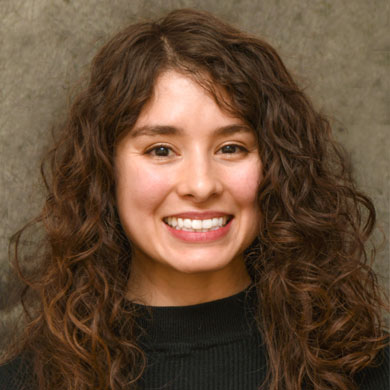
Virginia Camacho, PhD
2026 Funding recipient
Defining How Tet2 Clonal Mutations Disrupt Megakaryopoiesis, Enhance Thrombosis, and Impair Therapeutic Responses to Platelet Interventions
EvansMDS Young Investigator Award 2026
PROJECT SUMMARY
With aging, the risk to develop health problems such as heart attacks, strokes, and dangerous blood clots increases dramatically. These conditions are often driven by platelets, small blood cells that normally stop bleeding but cause harm when they become overactive. In older adults and patients with myelodysplastic syndromes (MDS), platelet function is dysfunctional. Medications exist to reduce clotting but, they do not work equally well for everyone and increase the risk of severe bleeding, especially in the elderly. Currently, there is no way to predict who will benefit from therapy or experience complications.
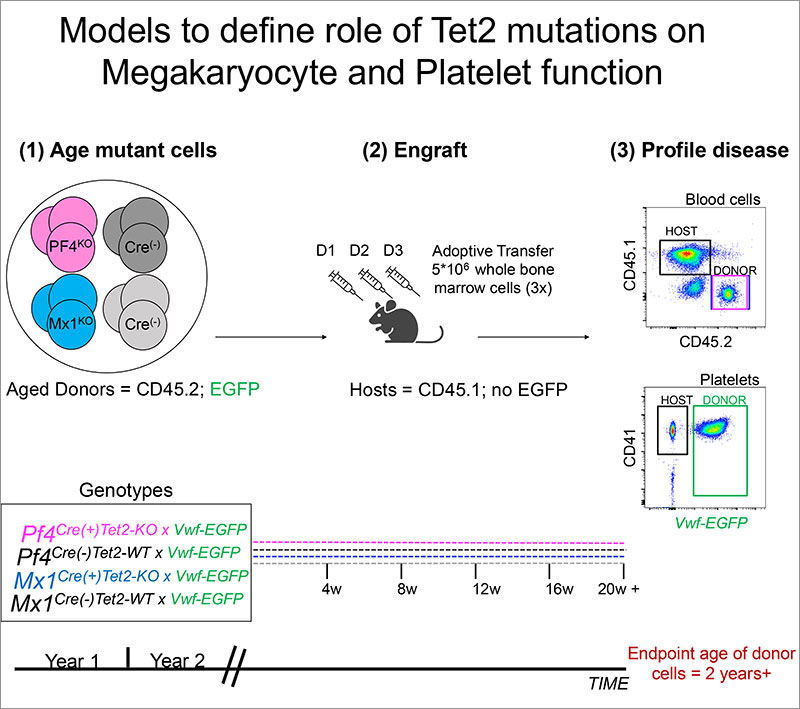
Research shows that age-related genetic changes in blood stem cells may explain these risks. One common change affects a gene called TET2, which is often mutated with age and is common in MDS. Most studies of TET2 mutations have focused on white blood cells, but platelets are the main drivers of blood clots and remain poorly studied. My work shows that platelets carrying TET2 mutations are unusually hyperactive, meaning they respond too strongly to clotting signals and may increase clot risk even when present in small numbers.
This project will study how TET2 mutations change platelets and promote excessive clotting in aging and MDS. By understanding how these genetic changes directly affect platelets, we aim to improve prediction of clotting risk and treatment response. This knowledge can lead to more therapies that balance cardiovascular and bleeding risks.