
Researcher Profiles

Ruwan Gunaratne, MD, PhD
Duke University School of Medicine
2026 Funding recipient
Personalized Circulating Tumor DNA Profiling to Characterize Longitudinal Molecular Dynamics and Measurable Residual Disease (MRD) in Myelodysplastic Syndromes
EvansMDS Young Investigator Award 2026
PROJECT SUMMARY
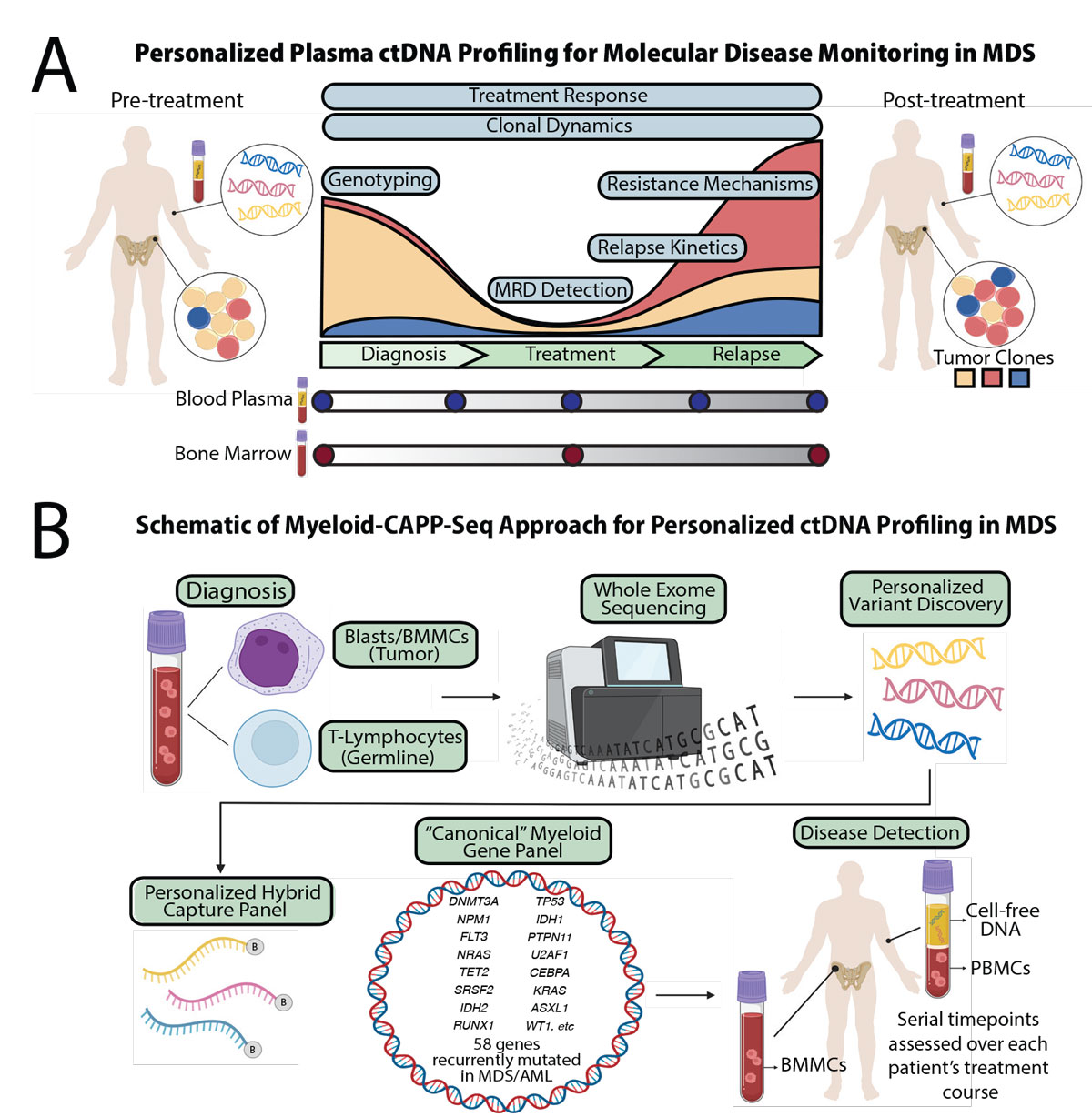
Myelodysplastic syndromes (MDS) are bone marrow cancers with highly variable clinical behavior, ranging from chronic blood count abnormalities to aggressive leukemia. Patients with higher-risk MDS often relapse despite intensive chemotherapy or bone marrow transplantation, while many patients with lower-risk MDS receive long-term, non-curative therapies aimed at symptom control and delaying progression. Across this spectrum, disease persistence and evolution are driven by small numbers of malignant cells that escape detection and/or acquisition of new mutations over time. Current methods to monitor MDS rely on repeated bone marrow biopsies, an invasive and often imperfect test that may miss residual disease or emerging mutations. In addition, existing molecular assays are limited in their ability to comprehensively track the unique genetic changes present in each patient’s disease. In this project, I will develop and apply a personalized blood-based test that detects circulating tumor DNA released by MDS cells into the bloodstream. Using advanced sequencing technology, this approach will allow sensitive detection of residual disease after transplant, monitor response and resistance to long-term therapies, and track disease evolution over time using a simple blood draw. This work aims to provide clinicians with a less invasive and more informative tool to guide personalized care, identify patients at risk for progression, and reduce reliance on frequent bone marrow biopsies.